
Equip yourself with specialized knowledge in maritime firefighting designed for vessels that transport alternative fuel vehicles
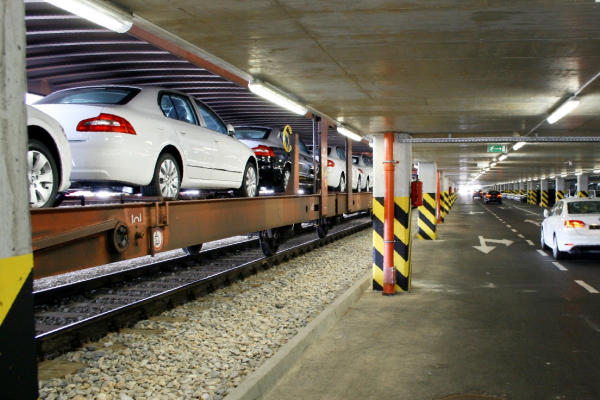 As the industry moves towards eco-friendly technologies, vessels transporting alternative fuel vehicles (AFVs) present unique challenges in terms of fire detection, firefighting and emergency response.
Recently, International Maritime Organization (IMO) & and the European Maritime Safety Agency (EMSA) have issued guidelines for ro-ro vessels, addressing new fire risks related with these vehicles (hybrid cars, gas cars, electric cars).
This course designed to provide participants with knowledge and skills required for fire detection, suppression and extinguishment and the relevant equipment for vessels carrying AFVs.
Industry guidelines also cover charging onboard, fire patrols, crew training, firefighting procedures, and specific requirements for firefighting and personal protecting equipment.
Online course
Duration: half day
Price: EUR 330 (plus VAT, if applicable)
Physical classroom at Greece's facilities
Duration: half day
Price: EUR 360 (plus VAT, if applicable)
This course is designed to equip maritime professionals, especially the crew, with essential skills and strategies to effectively prevent and handle fire incidents involving AFVs. Participants will gain practical insights into hazard identification, fire prevention techniques, and advanced firefighting protocols specific AFVs.
- Characteristics of Alternative Fuel Vehicles (AFVs) and the specific fire risks they pose
- Identification of hazards related to AFVs (toxic gases, explosions, fire spread)
- Regulatory framework and guidelines
- Requirements for equipment in special category spaces
- Emergency response procedures & drills
- Fire patrols (routines, thermal detection devices)
- Fire detection equipment
- Fixed fire protection, alarms and video monitoring
This course is suitable for maritime professionals, employees and crew, working onboard or supporting the operation of passenger ships carrying vehicles powered by alternative fuels, such as batteries or gas, technical superintendents, the HSQE department, Masters and crew, port officers.
RINA Attendance Certificate


