
We support you in implementing an energy management system tailored to your organisation
From the initial assessment and definition of energy performance indicators to the development of the processes and tools needed to integrate energy management into your day-to-day operations, we support you in building and implementing an energy management system tailored to your organisation.
Identify energy-saving opportunities
Our consultancy services help you identify inefficiencies and opportunities for improvement, including low- or no-cost operational and maintenance measures, such as optimising operational schedules, set points and maintenance activities.
Plan your investments
By analysing significant energy uses, energy baselines and energy performance indicators (EnPIs), we help you identify priorities and align energy efficiency measures with your investment planning.
Take a more informed approach to energy consumption
In an increasingly volatile energy market, we support you in moving from reactive energy management to a more structured approach based on performance monitoring and the continuous identification of improvement opportunities.
Support your decarbonisation goals
We help you build a robust energy data baseline to support the definition of GHG emissions reduction targets, monitor progress and provide reliable information for reporting activities related to your decarbonisation and sustainability programmes.
Manage regulatory requirements in a structured way
Our consultancy services support your organisation in identifying and keeping track of the requirements applicable to energy management, helping you integrate compliance considerations into your business processes.
Build internal expertise and clear responsibilities
We support you in establishing an Energy Team with clearly defined responsibilities, transferring the knowledge and tools your organisation needs to manage and improve its energy performance over time.
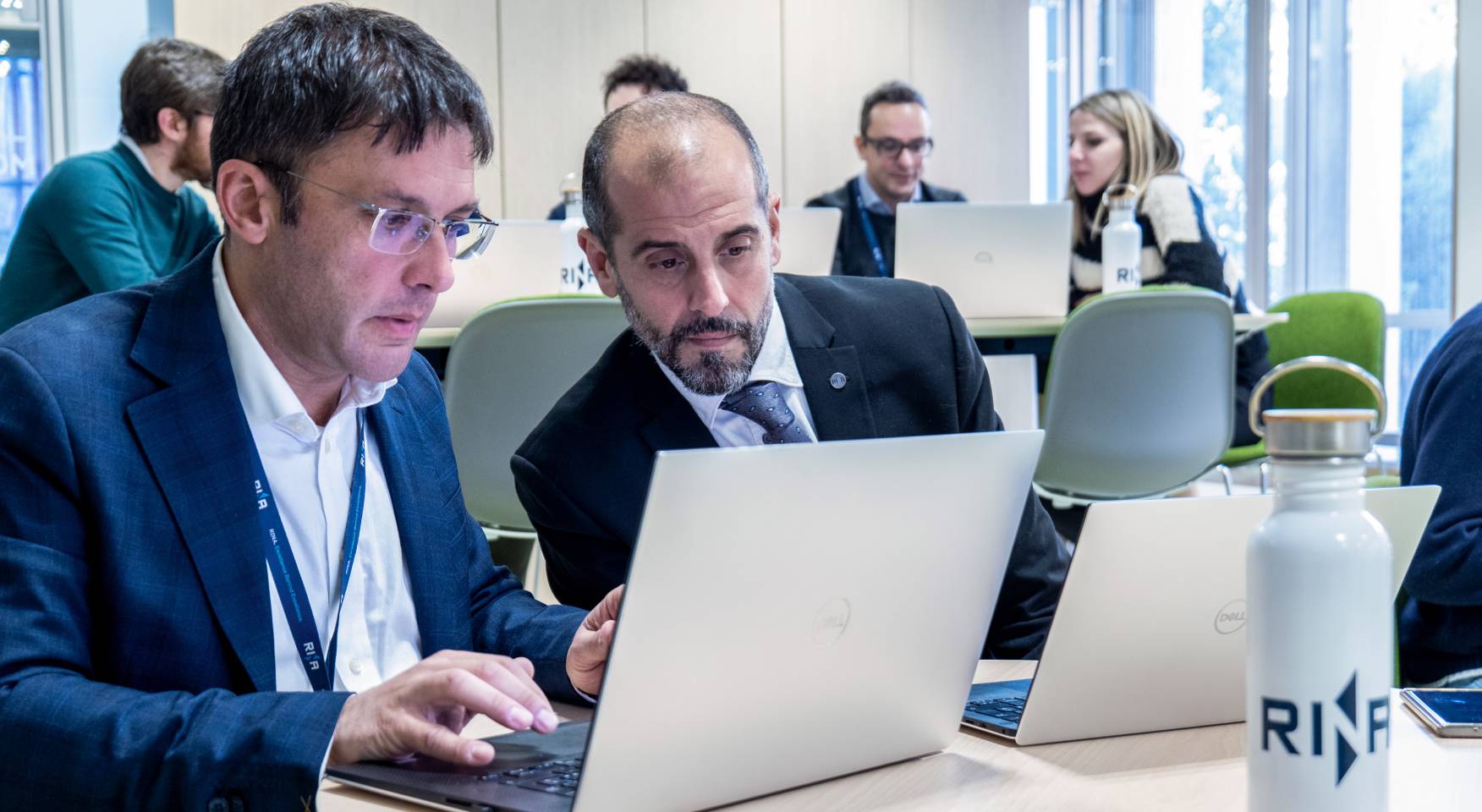
Our approach is specifically designed to involve your people, helping ensure that knowledge, skills and processes remain within your organisation.
The approach is aligned with ISO 50001:2018 and its updates, including Amendment 1:2024.
RINA combines experience in energy analysis and management across assets and organisations with different characteristics and levels of energy intensity with a team that includes certified Energy Management Experts (EGE) qualified according to UNI CEI 11339.
We tailor our consultancy approach to your organisation’s specific needs, involving your people throughout the process to transfer knowledge and develop processes and tools that can continue to be used over time.
Our energy expertise is also complemented by capabilities in sustainability, from GHG inventories and emissions reduction plans to sustainability reporting. This allows energy management to become part of a broader decarbonisation pathway.
New European requirements
Directive (EU) 2023/1791 requires companies with an average annual energy consumption above 85 TJ over the previous three years to implement an energy management system compliant with ISO 50001 by 11 October 2027.
For companies without an energy management system
Companies that do not implement an energy management system and have an average annual energy consumption above 10 TJ are required to carry out an energy audit every four years.
An evolving regulatory framework
The Directive is currently being transposed into Italian law. RINA provides consultancy services to help you understand whether your organisation is subject to the new regulatory requirements. Even where there is no legal obligation, ISO 50001 remains a voluntary standard that can be applied by organisations of any size and in any sector.
The first step is to build a representative picture of your organisation's current situation. A typical implementation journey involves four key steps:
- Gap analysis: compare your organisation's existing processes, procedures, monitoring activities, responsibilities and management systems, such as ISO 9001 or ISO 14001, against the requirements of ISO 50001.
- Management commitment and Energy Team: establish an energy policy, clear responsibilities and a team bringing together technical, operational and procurement expertise.
- Energy review: analyse energy consumption by source and use, identify significant energy uses, and define energy baselines and energy performance indicators (EnPIs).
- Objectives and action plans: set measurable improvement objectives and define the actions, responsibilities, resources and timelines needed to achieve them.
These steps are followed by the planning of monitoring activities, internal audits and, finally, management review.
ISO 50001 can be adapted to organisations of any size and in any sector and can also be integrated with existing management systems.
An energy baseline is the reference against which future energy performance is compared. It represents energy consumption over a representative period and takes into account relevant factors that may influence it, such as production volumes, weather conditions or operating hours. Without a baseline, it is difficult to demonstrate whether an improvement measure has delivered the expected results.
Energy performance indicators (EnPIs) are the metrics used to monitor energy performance over time. They can include absolute energy consumption, specific indicators such as energy consumption per unit produced or per square metre, or more complex models.
They are particularly useful for three purposes:
- Meaningful comparisons: performance can be compared under equivalent conditions, for example by normalising data to account for production levels or weather conditions.
- Better-informed decisions: they help identify where energy is being used inefficiently and which measures have delivered the greatest improvements.
- Measurable objectives: improvements can be measured and assessed against the established energy baseline.
A gap analysis is a preliminary assessment that identifies how closely your organisation's existing practices align with ISO 50001 requirements and where gaps remain.
It reviews the key requirements of the standard, including context, leadership, planning, support, operations, performance evaluation and improvement. This makes it possible to identify existing strengths and gaps and plan the actions required to implement the energy management system.
A gap analysis helps you to:
- Build on what you already have: make use of existing procedures, data, systems and internal expertise rather than starting from scratch.
- Define the scope of the project: estimate timelines, resources and responsibilities based on your organisation's actual situation.
- Focus your efforts: prioritise the most significant gaps and the actions needed to address them.
- Engage management: provide decision-makers with a clear understanding of what needs to be done and why.


