
Industry
The long‑term reliability and availability of critical digital infrastructure depend not only on design and technology, but also on the environmental conditions in which systems operate.
Airborne pollutants such as soluble salts, industrial residues and other microscopic particles can accumulate on outdoor electrical equipment, enclosures and air‑intake systems. Over time, these contaminants may accelerate corrosion processes, reduce insulation performance and shorten asset lifetime, especially in environments exposed to humidity, condensation and changing weather conditions.
At early project stages, asset owners and operators must therefore understand how local environmental conditions may affect equipment performance, to make informed decisions on site selection, design criteria, material specifications and corrosion‑mitigation measures. However, generic environmental data often fails to capture local variability, potentially leading to under‑ or over‑specification of protection measures.
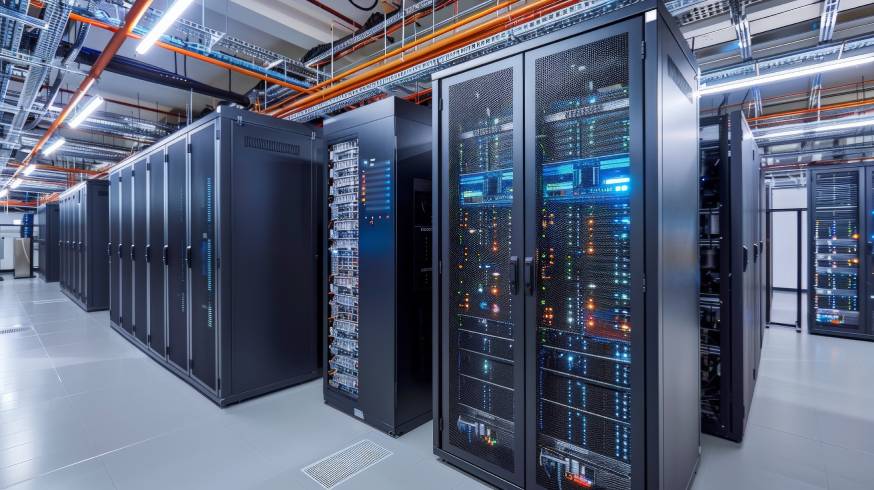
By translating complex environmental phenomena into clear design implications, the project helped reduce the risk of premature equipment degradation, unplanned maintenance, and service disruption. The outcome contributes to increased reliability, availability and lifecycle performance of data centres, contributing to more resilient digital infrastructure and long‑term operational continuity.


