
Marine
As vessels, fleets and onshore systems grow more connected, exposure to cyber risks is no longer theoretical. For ship operators and technical managers, this rising exposure translates into real pressure on information security compliance, business continuity, and operational reputation.
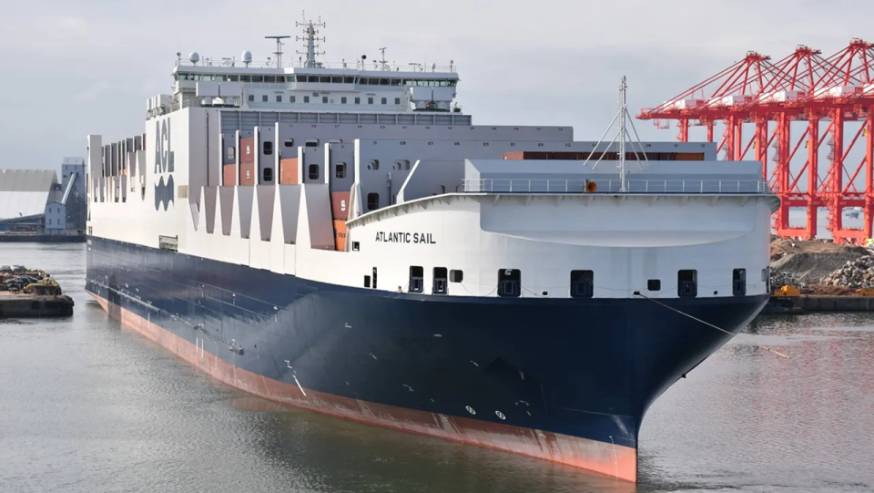
Atlantic Container Line (ACL) is the oldest continually operating container line in the world, having launched container operations in 1967. Since then, ACL has evolved into a specialized transatlantic carrier of containers, project cargo, roll on/roll off (RORO), high and heavy cargo, breakbulk, heavy equipment and vehicles.
Within this operating environment, ACL Ship Management plays a central role in overseeing vessel operations, technical management, and the integration of management system requirements into daily practice. To strengthen its cybersecurity posture, ACL engaged RINA to support its teams in understanding and applying ISO 27001:2022 requirements in a maritime context.
We delivered two dedicated training courses focused on the ISO 27001:2022 framework, tailored to the operational realities of ACL Ship Management.
The objective went beyond understanding the standard. It was about equipping professionals with the ability to interpret information security requirements in a maritime context, where operational technology, crew awareness, and regulatory expectations intersect.
In an industry where compliance is already complex, integrating information security into existing management systems is a challenge that cannot be postponed.
Through structured training and sector-specific guidance, ACL strengthened its capability to manage cyber risks across vessels and shore-based functions. The project reinforced the organization’s role in protecting operations, supporting consistent implementation, and embedding cyber resilience into the wider management framework.
Information security is now part of how ACL protects not only data, but also operations, assets, and trust.


