
Transport & Infrastructure
Ports today operate in a highly dynamic environment, where traffic fluctuations, adverse weather conditions, congestion and resource constraints can have a significant impact on operational efficiency. At the same time, they generate vast amounts of data through terminal operating systems, sensors, connected infrastructure and IoT devices. Turning this data into actionable insights, however, remains a challenge for many organisations.
As part of the NextGEN – Next Train Ports European initiative, START 4.0 and the Livorno Port Authority engaged RINA to provide a training sessions on how Port Authorities can explore ad take advantage of Artificial Intelligence in port operations. The aim was to demonstrate how AI can support forecasting, operational planning and decision-making, enabling ports to improve performance and make better use of existing resources without the need for major capital investments.
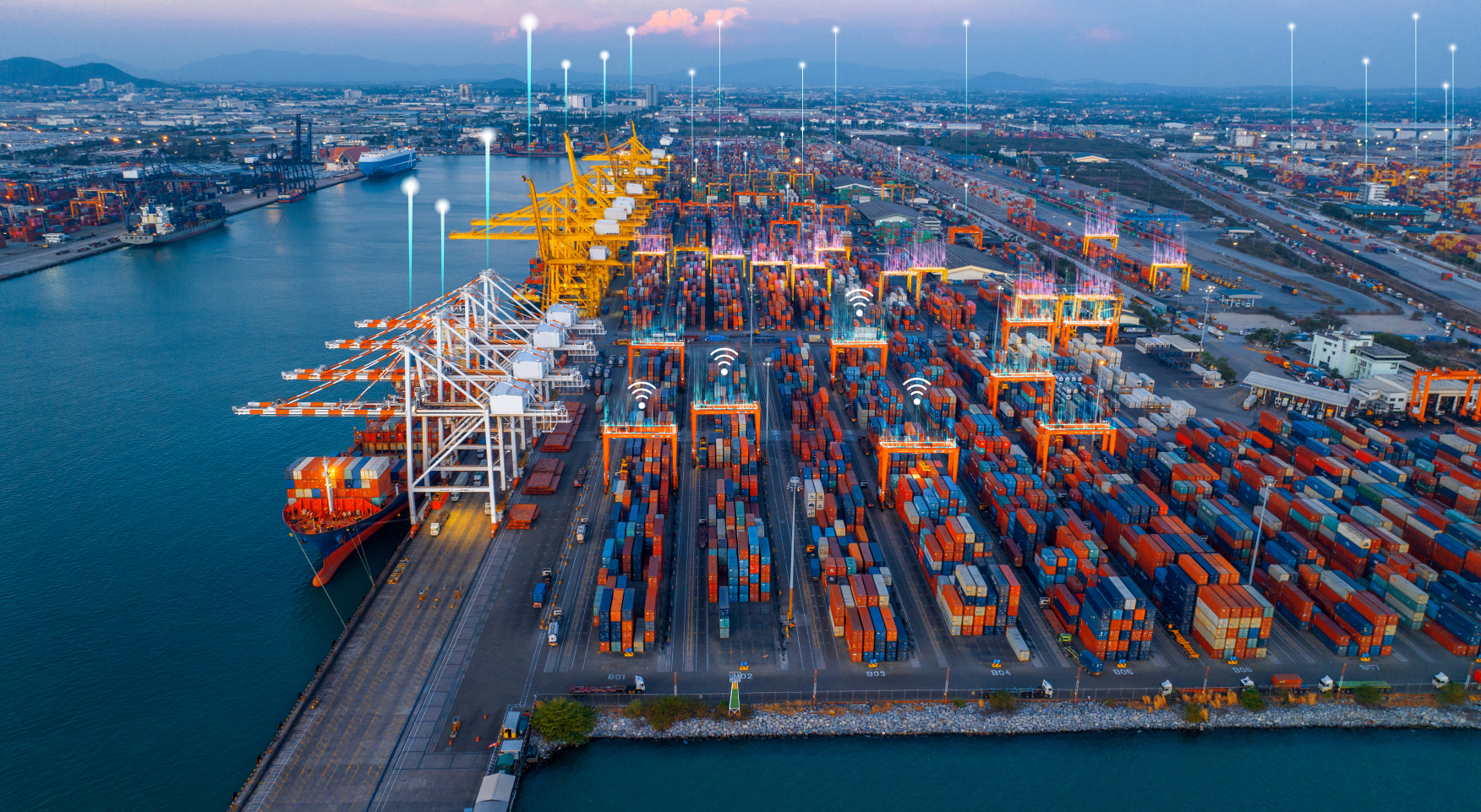
Our training gave participants a clearer understanding of how Artificial Intelligence can be applied to improve operational performance across port environments. It highlighted the potential of AI to enhance forecasting accuracy, optimise the use of critical assets such as berths, cranes and workforce resources, reduce congestion and support more timely and informed decision-making.


