
MenuMenu
What are the benefits of identifying the root cause of an HRSG tube failure? - RINA.org
Industry

What are the benefits of identifying the root cause of an HRSG tube failure?

Prevent recurring leaks, minimise downtime, and improve performance with metallurgical analysis and expert failure investigation

08 Jul 2026

Heat recovery steam generators (HRSGs) contain hundreds of tubes arranged in banks and operating under similar conditions of temperature, pressure, internal flow, and external gas flow.  

When a single tube fails, it is rarely an isolated event. In many cases, it is a warning sign that other tubes may be approaching failure as well.  

Simply plugging a damaged tube can allow operations to continue in the short term, but it doesn’t prevent further leaks. Without identifying the root cause, plants risk repeated failures, unplanned outages, and significant production losses. In fact, HRSG tube failures are one of the leading causes of forced outages in power plants and can result in several days of downtime. 

A thorough root cause analysis (RCA) enables plant operators to move from reactive fixes to proactive maintenance

Identifying the damage mechanism 

A critical step in any RCA analysis is identifying the damage mechanism responsible for the tube failure. Common HRSG failure mechanisms include: 

  • Creep (long-term high-temperature degradation). 
  • Corrosion (including flow-accelerated corrosion and chemical attack).
  • Fatigue (due to thermal cycling and operational transients). 

Each mechanism requires different mitigation actions. Accurate identification through metallurgical analysis is therefore essential to ensure the right corrective measures are implemented.  
RINA Root Cause Analysis  

From diagnosis to prevention 

An independent engineering partner like RINA ensures an objective and comprehensive assessment.  

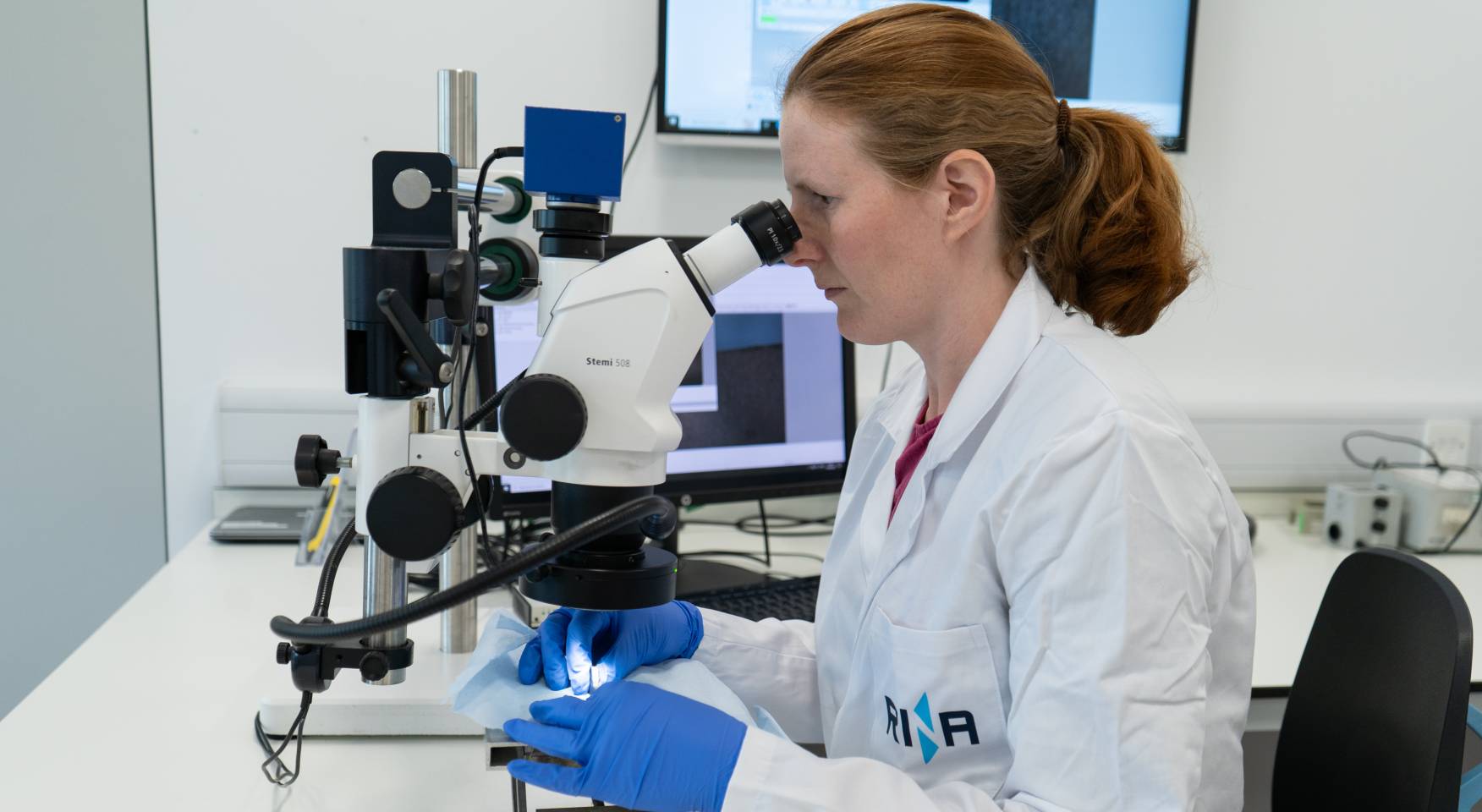
Our dedicated metallurgical laboratories give you access to all the tools needed to fully assess a failed tube and accurately determine the failure mechanism (including stereo and optical microscopy, scanning electron microscopy, chemical analysis via X-ray fluorescence or energy-dispersive spectroscopy, and hardness testing). 

When an unexpected tube failure occurs, you need a fast and reliable response. Our experienced engineers are used to working in time-critical situations, ensuring you get the insights you need without delay. 

Once the damage mechanism has been identified, our team works closely with your plant team to investigate the contributing factors through deeper root cause analysis, helping you move from immediate repair to long-term prevention.  
Contact us
RINA asset integrity experts