
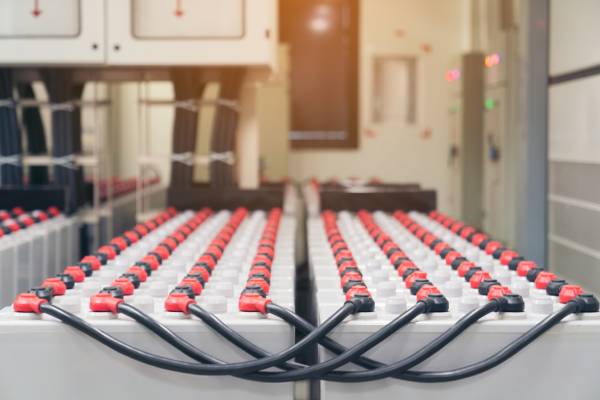
In the pursuit of a sustainable and decarbonized future, Europe has taken significant strides towards transitioning to cleaner energy sources. This ambitious endeavor, known as the European energy transition, aims to reduce greenhouse gas emissions, increase renewable energy generation, and enhance energy efficiency across the continent.
The Commission’s plan for a European Green Deal, aims at achieving climate neutrality through a set of strategic objectives including reducing net greenhouse gas emissions by at least 55 % by 2030.
Amidst this transition, energy storage has emerged as a crucial component, playing a pivotal role in ensuring a reliable, flexible, and low carbon energy system.
Based on recent analysis by the International Renewable Energy Agency – IRENA, the renewable share of global power generation is expected to grow from 25% today to 86% in 2050. This is why energy storage emerges as a critical enabler, facilitating the integration of renewable energy, enhancing grid stability and flexibility, empowering energy independence, and enabling sector coupling.
In consideration of the particular relevance of the topic, the recently adopted ”Commission recommendations on how to exploit the potential of energy storage” provides guidelines to identify flexibility needs and developing concrete actions that EU countries can take to ensure its greater deployment. More concretely speaking, the recommendations are inviting EU countries to consider the specific features of energy storage when planning network charges and tariff schemes as well as encouraging the further exploitation of the potential of energy storage in the design and operation of the network.
We hold a strong know-how on the provision of energy storage solutions and development of different battery technologies. We are acting as technical Advisor on over 850 MW of Energy Storage Systems projects in America, Europe and Africa, ranging from hydrogen fuel cell technology to flagship lithium-ion plants.
We are currently involved in several R&D projects aimed at creating new solutions to develop more competitive price and sustainable battery storage solutions and improve the stability, flexibility and reliability of distribution grids. One main focus is on implementing the whole battery value chain of electric vehicles solving one of the biggest issues linked to battery critical raw materials.
During 2023, new projects funded by the European Union’s Horizon Europe Research and Innovation Programme have started:
Bringing together partners from different countries and field of expertise, the R&D projects are contributing to take a significant step forward in accelerating the energy transition process, developing new solutions and fostering the exchange of know-how and skills.