
Providing reliable geotechnical and environmental solutions for diverse industries
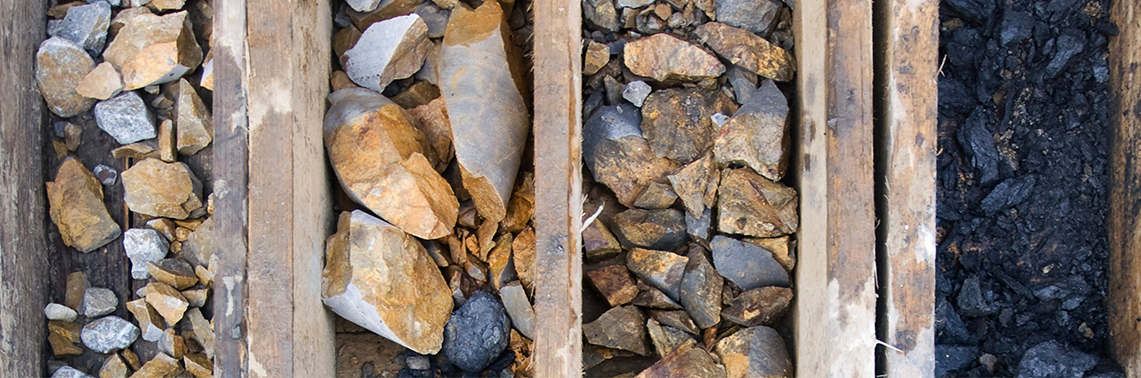
RINA understands that characterizing site conditions and providing reliable data are critical for the long-term success of our client’s projects. Our team of engineers and scientists have provided in-depth studies, reports, and expert testimony for clients across industrial & manufacturing, transportation, and local/state/federal sectors.
RINA’s innovative, cost-effective solutions and professional recommendations assist clients in designing geotechnical aspects of projects, achieving compliance with necessary regulatory agencies, and obtaining permits for project construction.
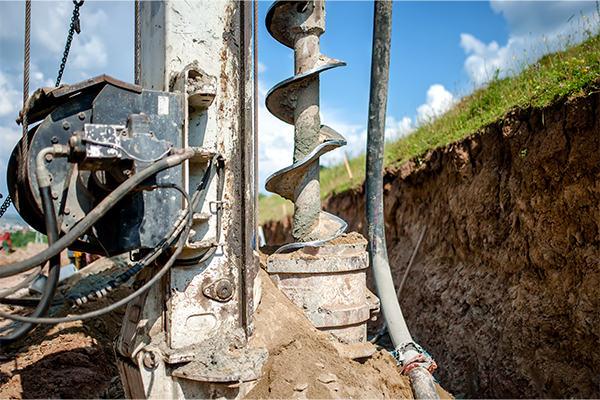
Our experience ranges from geotechnical site characterization to investigation of groundwater conditions, to the design and construction of foundation systems and water management systems. Our team of experts stands ready to provide comprehensive solutions to your greatest project challenges.
Geosciences
Permitting
Environmental
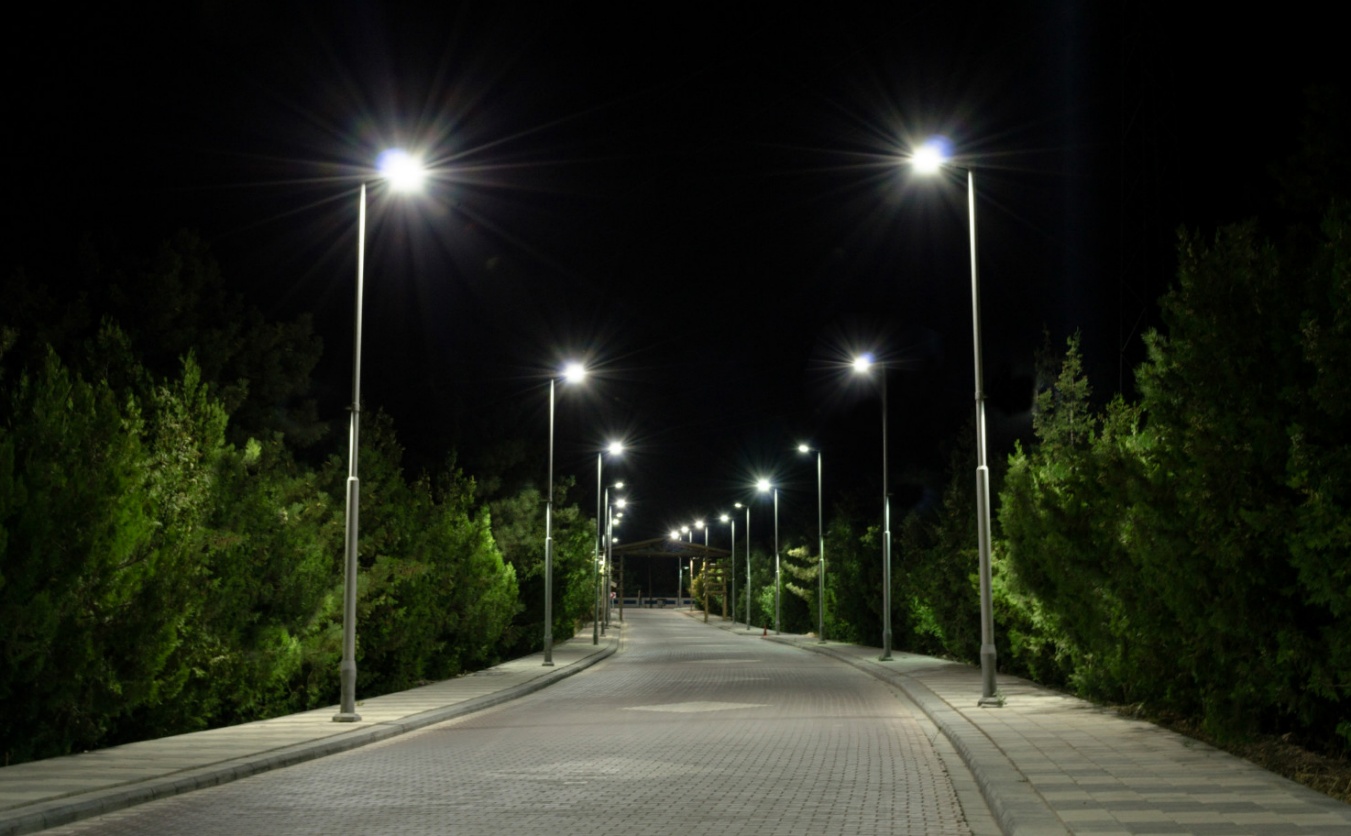
A multi-year grid modernization program is adding communication towers, transformers, switching structures, switchgear buildings, take-off structures, new substations, and transmission lines across northern Indiana.
Through a Professional Service Agreement, we have completed more than 45 geotechnical investigations to support the design and construction of foundation systems for this infrastructure.
Our work includes utility locating, SPT soil borings and sampling, rock coring, infiltration testing, soil resistivity testing, laboratory testing, and sealed geotechnical reports with foundation design recommendations.
The program requires a safe, professional field approach and the ability to respond to expedited schedules while maintaining the technical quality needed for critical utility infrastructure.
At Ingredion's Bedford Park sugar refinery, settlement and movement of portions of the floor created the need for interior foundation underpinning.
We first completed geotechnical and supplemental subsurface investigations to characterize conditions beneath the building, determine physical properties of select soil samples, collect samples for environmental laboratory analysis, and prepare a summary geotechnical report.
Based on the investigation findings, micropile underpinning was recommended to stabilize and support selected interior shallow footing foundations.
The work included a detailed micropile layout, micropile-to-foundation connection design, micropile design, structural grout testing, construction supervision and documentation, and as-built drawings for the completed underpinning work.
Six columns were addressed in 2018, four columns in 2022, and ten additional columns were identified for design in 2026.
The Right Sized Rail project supports rail logistics and infrastructure improvements within ExxonMobil's Joliet refinery.
Planned work includes rail alignment modifications and construction of a 12-foot-high retaining wall within the refinery property.
To support the design, we provided a topographic survey to define existing ground conditions and surface features along the rail corridor, including top-of-rail elevations, site features, buildings, and MicroStation/GEOPAK CAD deliverables.
We also coordinated drilling services and prepared a geotechnical investigation report with findings and analyses for global wall stability, bearing capacity, foundation design, wall embedment, drainage, backfill, and construction considerations.
For a new hydrogen storage tank at the Nouryon facility in Morris, Illinois, Brindley Engineering needed updated geotechnical information specific to the planned tank location.
Previous reports showed varying foundation recommendations across the site, with the closest historic boring recommending a foundation depth of nine feet.
We coordinated three new soil borings at the planned hydrogen storage tank site, with drilling directed by our engineer/geologist and borings advanced to depths of approximately 15 to 25 feet below ground surface.
The resulting geotechnical investigation report provided engineering analysis and foundation recommendations for a hydrogen storage tank with an operating weight of approximately 440,000 pounds, supported by two saddles on reinforced concrete piers and spread footings.


