RINA North America: providing innovative and tested solutions for transit projects

RINA supports transit agencies and public-sector clients with planning, engineering, design, construction management, inspection, project controls, and advisory services for complex transit infrastructure programs. Our team understands the importance of safety, reliability, accessibility, coordination, and continuity of service in active transit environments. With experience supporting major agencies and operating systems, RINA partners with clients to address technical, operational, stakeholder, and schedule challenges while keeping lifecycle cost, constructability, and passenger experience at the center of each solution.

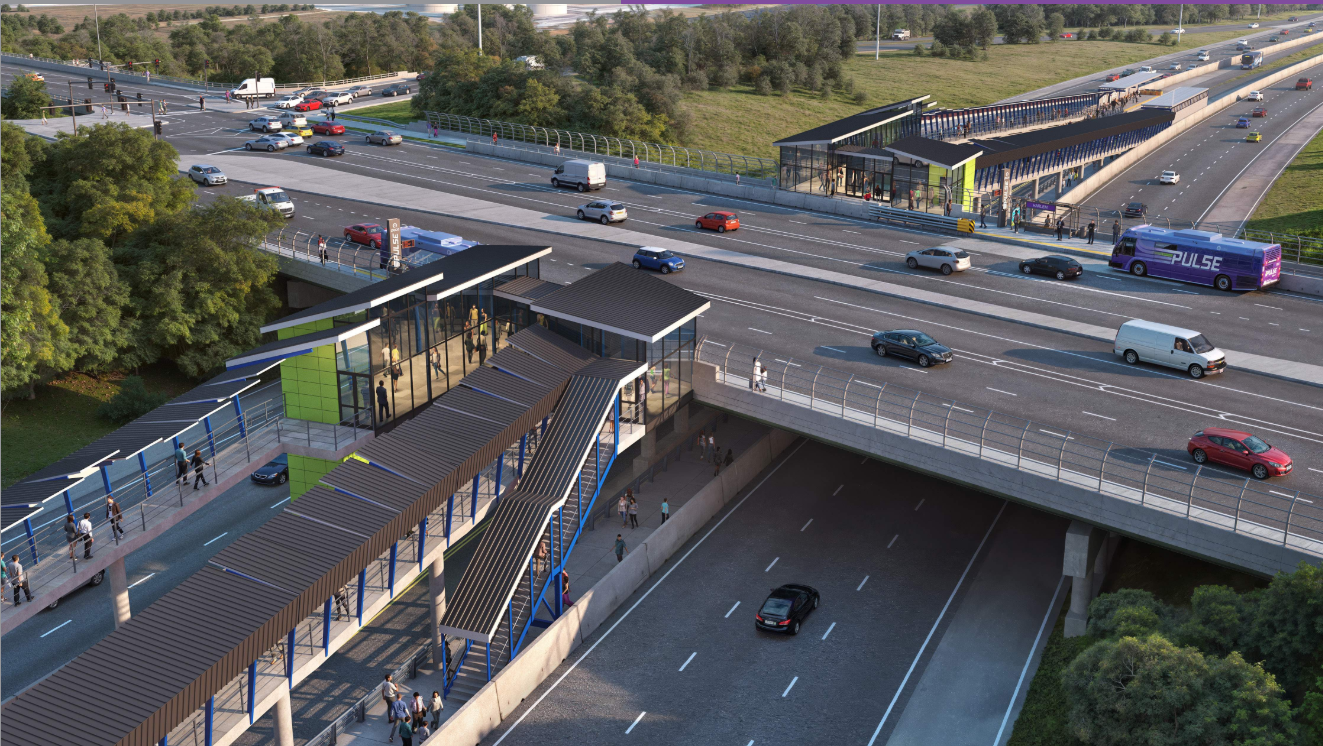
At I-55 and Harlem Avenue in Chicago, Pace is studying the feasibility of an inline bus rapid transit station along the Stevenson Expressway corridor.
We are supporting a Phase I engineering and architectural feasibility study that documents three preliminary station design concepts based on existing conditions, best practices research, market assessment, environmental review, structural assessment, and engineering analysis.
The final concept report will describe and illustrate the preliminary station concepts, along with basic capital cost estimates for a major station and supporting infrastructure.
The study is intended to help define a practical range of station options and cost considerations for a future conceptual station at Harlem Avenue and I-55.
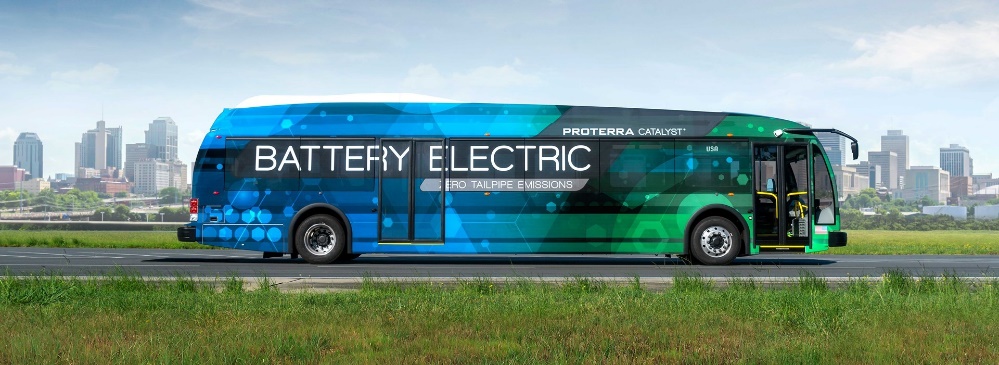
As part of CTA’s green initiative, the agency advanced a design-build project to support 20 new electric buses operating on two of its most heavily used routes.
The project included five new en-route rapid-charging stations capable of delivering a full charge in under 10 minutes, allowing the buses to run approximately 75 to 120 miles on a single charge.
We provided construction management, project controls, construction cost estimating and claims support, electrical design review, technical advisory services, and field inspection for the installation of the rapid-charging stations.
The work drew on our experience in construction management, electrical engineering, smart grid technologies, battery energy storage, utility interconnection, and transportation capital delivery.
Because the prime contract holder was the vehicle supplier, the project also provided lessons on infrastructure work directly tied to equipment and technology selection.
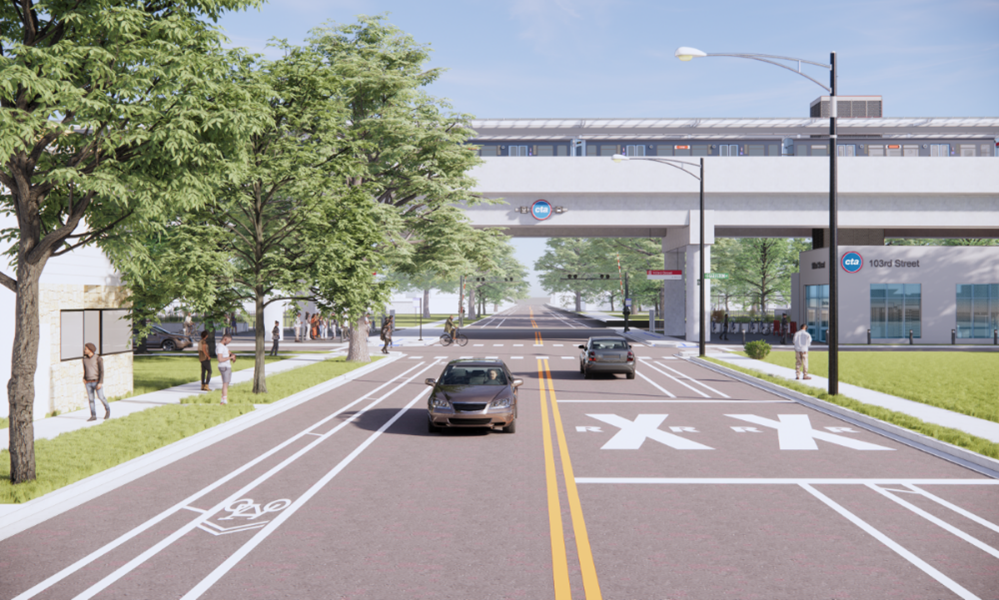
The Red Line Extension is a $3.6 billion program that will extend CTA’s Red Line from 95th Street to 130th Street, improving transit access on Chicago’s Far South Side.
As the lead firm in the REDefine Southside Partners joint venture, we are providing construction management services, including project controls, quality, safety, technical oversight, cost estimating, claims and changes support, design-build procurement assistance, agency coordination, and systems testing and commissioning support.
The 5.6-mile heavy rail extension will include four new fully accessible stations near 103rd Street, 111th Street, Michigan Avenue, and 130th Street, with multimodal connections for buses, bikes, pedestrians, and park-and-ride users.
The program also includes a new rail yard and shop near 120th Street to support 340 train cars, five new substations, and major construction oversight across two contracts.
At peak construction, the joint venture team is expected to ramp up significantly to support the scale and complexity of the program.
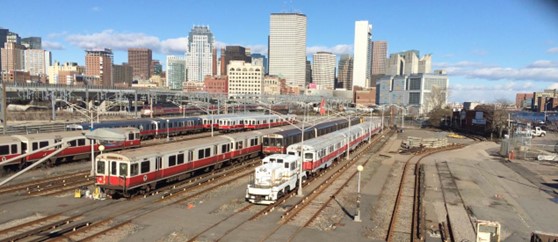
The Red/Orange Line Transformation Program was developed to modernize MBTA infrastructure in support of new and expanded Red Line and Orange Line vehicle fleets.
As lead firm in the RINA/Mott MacDonald joint venture, we served as Program Manager/Construction Manager for a program that included upgrades to signals, track, power, yards, car houses, and related infrastructure needed to support vehicle delivery, testing, commissioning, and long-term system reliability.
The team provided full-service program management, including budgeting, cost estimating, scheduling, logistics planning, procurement support, progress tracking, issue resolution, design management, construction management, claims management, risk analysis, document management, and testing and commissioning support.
A key part of the program was aligning infrastructure improvements with vehicle procurement and coordinating extensively across MBTA departments, operations, designers, and contractors.
The program also served as an early MBTA implementation of e-Builder as a project management information system, helping improve project transparency, collaboration, and data handling. Initial phases of the work received a 2021 Mark H. Hasso Project Excellence Award from the Construction Management Association of America – New England Chapter.