RINA North America: a distinctive collaboration that can benefit any project

One of an Owner’s most powerful tools in project management, change management, and claims avoidance is having timely, acceptable, record CPM Schedules. CPM Schedules are essential project management tools used to communicate the plan, coordinate work, track progress, recognize potential problems, and aid in decision making for corrective action. Our team of Project Controls Specialists have not only the required proficiency in the latest versions of the preeminent scheduling software packages, but more importantly, through education and extensive experience, we have the necessary expertise in the discipline of CPM Scheduling fundamentals and industry best practices. That skillset partnered with our in-house technical resources of designers, engineers, and construction management professionals provides for a distinctive collaboration that can benefit any project. We also provide CPM schedule review and development as part of our program and construction management services.

The Brent Spence Bridge Corridor Project will improve eight miles of interstate infrastructure between Cincinnati, Ohio, and Covington, Kentucky.
As part of the State Cost Estimator team, we develop independent construction cost estimates and CPM construction schedules to support owner evaluation of early work packages and Guaranteed Maximum Price (GMP) construction packages. The work also includes an early Opinion of Probable Construction Cost (OPCC) and participation in risk workshops.
The project includes a new companion bridge, updates to the existing Brent Spence Bridge, interstate reconstruction, widening, and interchange reconfiguration.

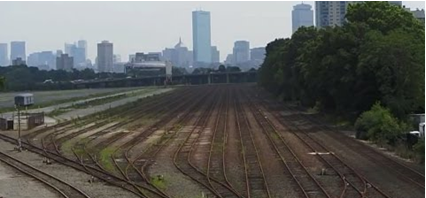
The I-90 Allston Multimodal Project is realigning a structurally deficient and functionally obsolete section of the Massachusetts Turnpike.
As part of the project team, we developed construction cost estimates and schedules for the 15% design and multiple case studies. We also prepared independent cost estimates, a project schedule, and a life-cycle cost analysis evaluating four highway and rail alternatives.
The analysis considered agency costs, user costs, and combined life-cycle costs to help MassDOT select the preferred approach and evaluate whether to defer a full build alternative.
The Red Line and Orange Line Transformation Program modernized critical Massachusetts Bay Transportation Authority (MBTA) infrastructure to support new and expanded vehicle fleets.
As lead firm in the program management and construction management joint venture, we supported budgeting, estimating, scheduling, logistics planning, procurement management, design management, construction management, risk analysis, claims support, document management, and testing and commissioning.
The program also helped pilot e-Builder as a project management information system, increasing transparency and improving collaboration across MBTA stakeholders.

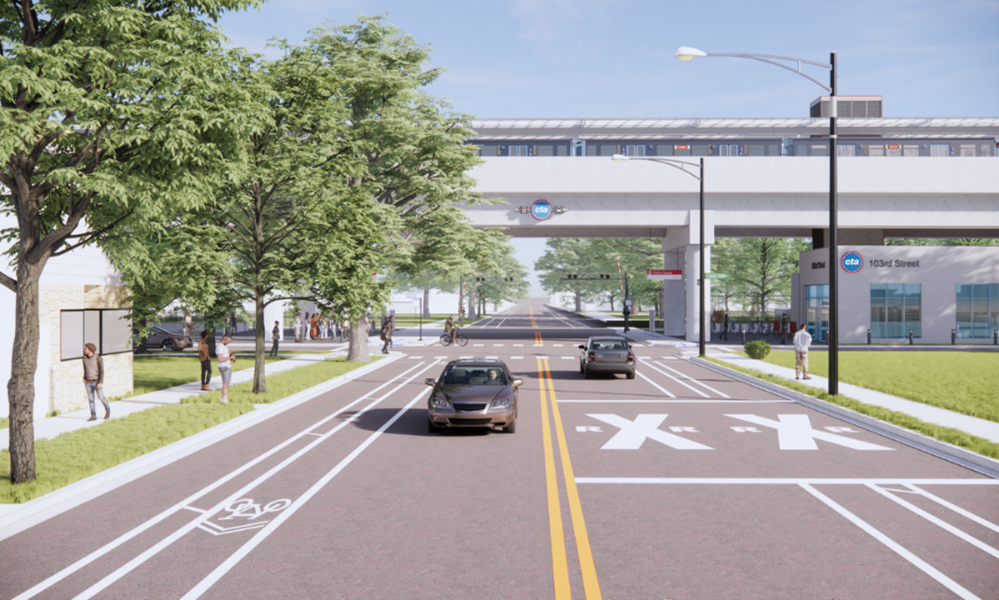
The Red Line Extension is a $3.6 billion Chicago Transit Authority (CTA) program to extend the Red Line from 95th Street to 130th Street.
As lead firm in the REDefine Southside Partners joint venture, we provide construction management, project controls, quality, safety, and technical oversight. The work includes support for procurement of the Design-Build contract and oversight of two major construction contracts.
The extension includes 5.6 miles of new heavy rail, four fully accessible stations, multimodal connections, a new yard and shop, and five new substations.
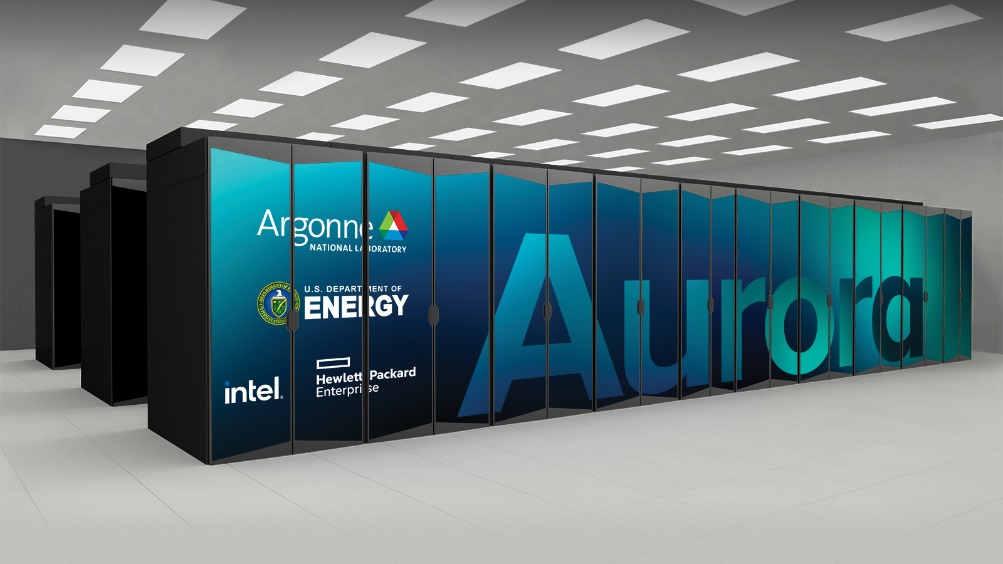
Argonne National Laboratory’s Aurora Exascale Supercomputer project required schedule support for a highly technical facility and infrastructure program.
We supported CPM scheduling for the ALCF-3 effort, helping organize activities, track critical path considerations, and coordinate sequencing across project stakeholders. The schedule work supported planning and delivery of facility improvements tied to one of the nation’s leading high-performance computing programs.
This type of scheduling support helps align construction, equipment, commissioning, and operational readiness requirements for complex technical environments.